Straight answers to help you choose the right setup.
Should I choose cellular or private LoRaWAN®?
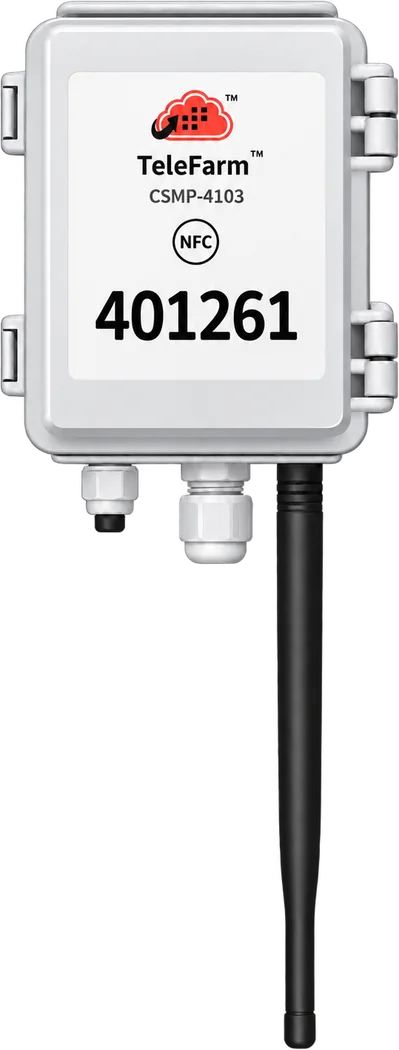
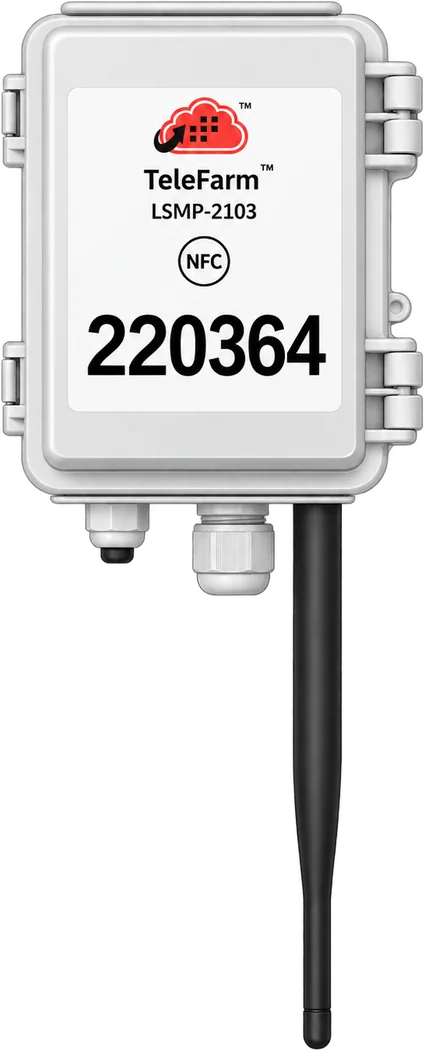
Choose CSMP for dispersed locations with supported LTE-M service when you do not want local gateways to maintain. Choose LSMP for many low-power monitoring points in a private LoRaWAN® service area. In denser deployments, LoRaWAN can lower hardware and ongoing costs by sharing gateways across many stations. Include gateway setup and upkeep in the total. Gateways can sit where cellular or Ethernet internet is available, but their power, internet connection and network need ongoing maintenance.
Does every LoRaWAN® sensor site need cellular coverage?
No. An LSMP device needs a usable radio link to the private LoRaWAN® gateway network. For remote cloud access, gateways need an internet connection such as cellular or Ethernet. Placing the gateways where internet access is available lets field devices operate farther into the service area.
Can I keep my sensors and my software?
Yes, when the sensor model, interface and power requirements are compatible. TeleFarm™ supports popular instruments and uses LTE-M or LoRaWAN® connectivity. Your data is not locked into a proprietary application; plan delivery to your own software or a supported platform with Zenseio™.
Which sensor combinations can one station support?
A station supports one SDI-12 instrument, which may report multiple measurements, plus three general-purpose inputs with model-specific modes. Modbus is an alternative to SDI-12 on compatible devices, not a second simultaneously active sensor bus. Confirm the proposed combination and total power load before ordering.
How do I choose battery or solar power?
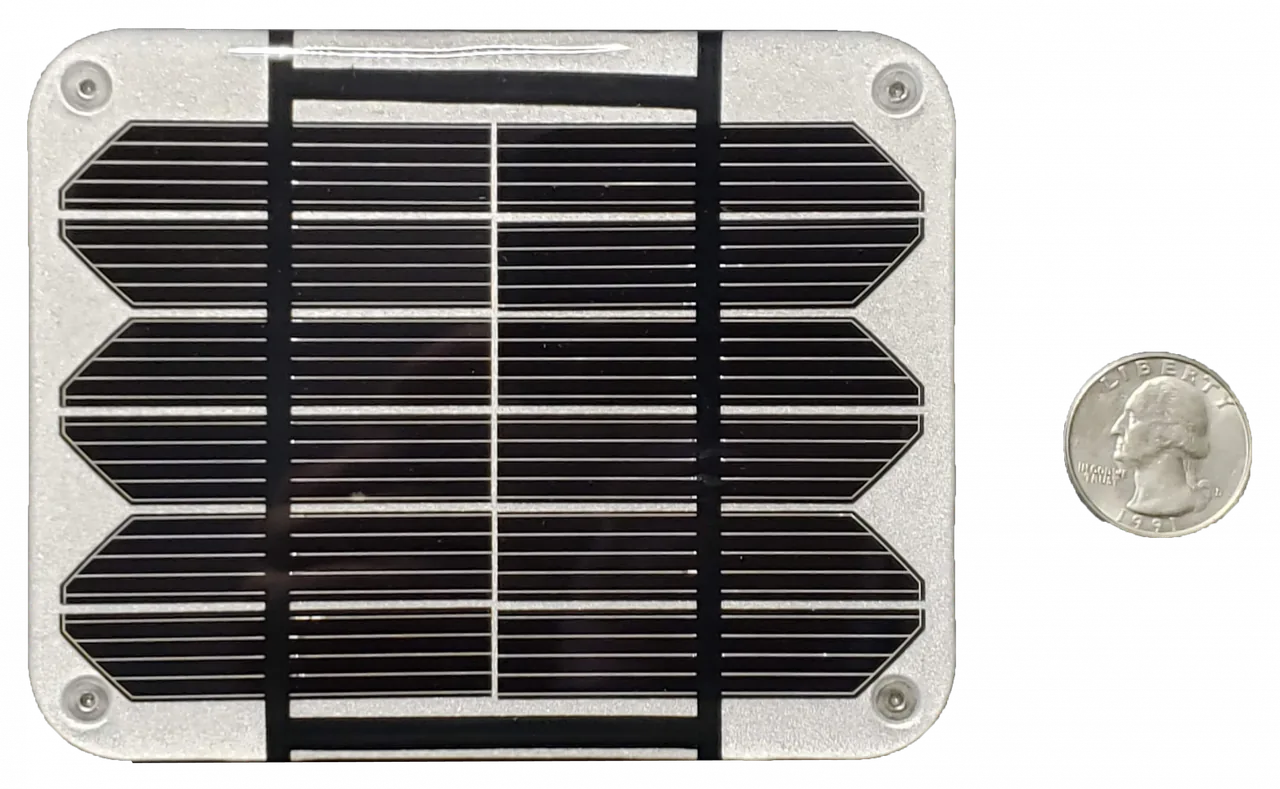
Start with sensor power demand, reporting frequency, radio conditions, seasonal temperature and service access. A primary battery suits many low-power stations. SOLIK™ solar charging can fit compatible stations with sustained loads, where sunlight and charging temperatures are suitable. There is no single battery-life figure that fits every deployment.