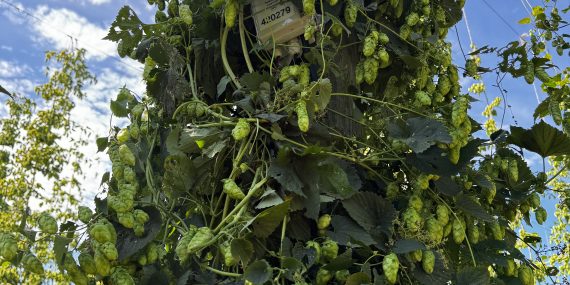
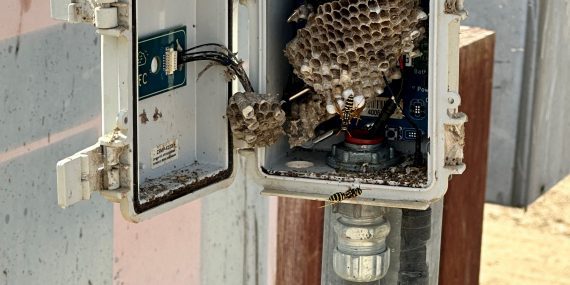
When your IoT device becomes prime real estate… for wasps. 🐝

Someone stole the solar battery charger and cable gland from Zenseio TeleFarm device — but the wasps didn’t mind. They saw the vacancy and moved right in.

Our friends at REDtrac got quite the surprise opening the door… proving once again that in Ag IoT, it’s not just data that finds its way in — nature does too.

#IoT #Agriculture #FieldLife #SquatterWasps #UnexpectedGuests

Zenseio Field Tested Case Study – UC Santa Barbara

We’re incredibly proud to support groundbreaking research at the Jack and Laura Dangermond Preserve, where a team from the Earth Research Institute and Geography Department at UC Santa Barbara is pushing the boundaries of ecohydrological monitoring.

“Zenseio has been key in establishing our remote ecohydrological observatory in the Jack and Laura Dangermond Preserve. We deployed meteorological stations and soil moisture sensors across an upland coast live oak woodland transect to monitor oak water stress and develop an early warning system for drought-related tree stress. With the help of Zenseio, we established our own LoRa telemetry network of sensors in this remote preserve without any cell reception or internet and now maintain a live dashboard of the transect conditions. Their support and dedication to every single detail has been top notch since day one, and it is very evident how knowledgeable they are in this industry.” – MD Shadman Amin, PhD Researcher, UCSB.

We love helping researchers and innovators bring connectivity and insight to even the most remote locations.

Curious how wireless telemetry can empower your environmental monitoring projects? Let’s talk!

#IoT #LoRaWAN #Ecohydrology #EnvironmentalMonitoring #PrecisionAgriculture #ResearchInnovation #Zenseio

Zenseio Field Tested Case Study – Ag Tech

We love seeing our customers thrive in the field!

“I’ve used hundreds of Zenseio telemetry units and have had great success with their reliability, data accuracy, and ease of integration into my irrigation monitoring system.” — Hunter, Ag Tech Advisor

Hunter captured this great shot while deploying one of our Zenseio telemetry units in a beautiful field setting. Reliable data is the backbone of efficient irrigation and sustainable agriculture—and we’re proud that our solutions make it easier for professionals like Hunter to optimize operations and conserve resources.

A huge thanks to Hunter for trusting Zenseio as part of his digital agriculture toolbox!

#PrecisionAg #AgTech #Telemetry #SmartFarming #Irrigation #Sustainability #CustomerSpotlight #Zenseio

precision farming telemetry devices

How Zenseio’s IoT Telemetry Solutions Address Key Challenges in Precision Agriculture

Agriculture today faces a host of complex challenges that test the resilience and adaptability of farmers worldwide. From fragmented agricultural markets and resource scarcity to unpredictable weather patterns and poor infrastructure, modern farmers face numerous obstacles. Zenseio’s IoT-based telemetry solutions for precision agriculture offer a pragmatic approach to these issues, empowering stakeholders with data-driven insights to optimize agricultural operations. Let’s explore the primary challenges in agriculture and how Zenseio’s telemetry technology is paving the way for practical, sustainable solutions.

1. Market Fragmentation in Agriculture

Agriculture is composed of diverse sub-sectors, each with unique needs and challenges—crop production, livestock management, agrochemicals, and more. Compounding these complexities are regional variations in climate, terrain, and government regulations. Zenseio’s compact yet powerful telemetry solutions are versatile, allowing seamless integration across different agricultural applications and bridging the gap between complex ecosystem needs. By collaborating with ecosystem partners, Zenseio ensures that its technology can adapt to diverse requirements and simplify operational complexities for both small-scale and large-scale farms.

2. Addressing Natural Resource Constraints with Precision Agriculture

With freshwater scarcity, soil degradation, and biodiversity loss, resource constraints present formidable challenges for sustainable agriculture. Zenseio’s telemetry devices monitor critical factors like soil moisture, weather conditions, and water usage, helping farmers make informed decisions to conserve resources. By detecting early signs of crop stress and providing comprehensive data on resource use, Zenseio aids farmers in optimizing inputs, reducing waste, and supporting sustainable land use while complying with environmental regulations.

3. Connectivity Solutions for Remote Agricultural Infrastructure

Many agricultural areas lack reliable electricity and cellular coverage, making it difficult to deploy traditional technology solutions. Zenseio’s low-power, long-range IoT devices leverage radio technologies like LoRaWAN and LTE-M, ensuring connectivity even in remote locations without power outlets. With multi-carrier SIMs and robust device certifications, Zenseio’s devices provide dependable network operability across diverse geographies. Zenseio’s online diagnostic portal further enables remote monitoring and troubleshooting, minimizing the need for time-consuming trips to remote sites and maximizing system uptime.

4. Resilient Hardware for Harsh Agricultural Environments

Agricultural environments are often unforgiving, with extremes in temperature, moisture, and UV exposure that can degrade equipment. Zenseio’s hardware is specifically engineered to withstand these conditions, with features such as rugged enclosures and industrial-grade batteries or solar-powered options for consistent, long-lasting performance. Designed with durability in mind, Zenseio’s devices, once correctly installed, resist the corrosive effects of moisture, UV rays, temperature fluctuations, and minor mechanical stresses, ensuring reliable operation even in challenging agricultural conditions.

5. Flexible Solutions for Seasonal Cycles and Workforce Variability

Agriculture’s seasonal nature, marked by peaks in labor and resource demands, requires adaptable solutions that can respond to these fluctuations. Anticipating these seasonal shifts, Zenseio proactively manages inventory, staffing, and support resources to handle both high and low demand periods. Zenseio’s telemetry systems are easy to deploy and scale, with annual billing options that align with agricultural financial cycles. Equipped with long-lasting batteries, this scalable solution offers consistent, uninterrupted support throughout the agricultural cycle, reducing the logistical and financial burdens of seasonal deployment and maintenance.

The core premise of Zenseio’s IoT telemetry is to enable remote monitoring of production systems, eliminating the need to drive to multiple sites for manual checks. This reduces peak demand for personnel and equipment used to monitor sensors and irrigation systems—needs that tend to fluctuate across the agricultural cycle. By minimizing these variable demands, Zenseio helps farmers optimize their workforce and transportation resources, driving greater efficiency year-round.

6. Solutions for Underinvestment in Agricultural Technology

Low profit margins, high risks, and extended business cycles have traditionally constrained investment in agricultural technology. Zenseio addresses these challenges with affordable, reliable, and low-maintenance IoT telemetry devices designed for longevity. In addition, Zenseio collaborates within a diverse ecosystem of AgTech companies to integrate with specialized sensors and application software. This collaborative approach allows Zenseio to deliver versatile, powerful, and cost-effective vertical solutions tailored to specific precision agriculture applications. By providing real-time data and actionable insights, Zenseio enables farmers to enhance operational efficiency, boost yields, and swiftly respond to issues like irrigation system malfunctions, resource depletions, and sudden weather changes—ultimately minimizing losses from unpredictable events.

A Path Toward Sustainable Agriculture

As the agricultural sector moves toward data-driven and resource-efficient practices, Zenseio’s IoT telemetry solutions are helping to bridge the gap between traditional methods and modern technology. By addressing the unique challenges faced by the agricultural sector, Zenseio empowers Ag customers to make data-informed decisions, optimize resource use, and increase productivity. Through ongoing collaboration and innovation, Zenseio is committed to fostering a more sustainable and resilient agricultural future, empowering farmers in North America and worldwide.

Interested in learning more about how Zenseio’s IoT telemetry solutions can transform your farming operations? Contact us to explore how our precision agriculture technology supports sustainable farming.

Navigating Connectivity: Cellular Data Versus LoRa in Precision Agriculture

IoT powered Precision Agriculture can be complex, especially when it comes to network infrastructure, and choosing a network solution can be one of the most consequential choices one can make. According to Grandview Research, the precision agriculture market is poised to reach $43 billion by 2025, emphasizing the industry’s growth potential. However, when deciding to adopt a network for IoT, the choice between utilizing cellular data and LoRa technology is not always clear cut, as each presents distinct advantages and disadvantages, which will be explored in this article.

POWER CONSUMPTION

Energy efficiency is one of primary considerations when implementing IoT in agriculture. LoRaWAN, the open standard protocol utilizing LoRa radio technology, adopts a reliable and simple method of defining three classes of devices to minimize protocol complexity and energy consumption. This approach ensures that devices in the field operate with optimal power efficiency. The significance of low power consumption becomes apparent when considering the remote and often off-grid locations of agricultural operations. LoRa’s ability to operate on minimal energy resources positions it as a sustainable and practical choice for many applications. Cellular devices can also operate with relatively low power consumption, but nearly always consume more power to operate than LoRa.

RANGE AND CONNECTIVITY

LoRa and Cellular can provide a long-range signal, though using gateways with Ethernet backhaul, LoRa devices can often be deployed to areas where cellular coverage is scant or nonexistent. This makes LoRa an excellent choice for remote areas that may lack existing cellular coverage or power sources. However, the existing robust cellular data infrastructure in many rural areas in the United States and elsewhere mean that in many use cases, cellular devices can be deployed easily with less setup that a LoRa powered device. In regions where cellular coverage is already well established, utilizing this cellular infrastructure might provide a seamless and reliable solution.

DATA COST

While the cost of deploying and maintaining sensor networks is a concern, the expense associated with data plans over time can be a decisive factor in choosing between LoRa and Cellular Data. For instance, smaller and medium scale farms may find it economically challenging to afford cellular connections for many devices drawing data from sensors in a large field or group of fields. The incorporation of SIM cards with monthly bills per device could outweigh the potential yield advantage, often making Ethernet gateway LoRa a more cost-effective alternative, especially in dense sensor node deployments. This being said, there are still associated costs with LoRa, such as gateway hardware and maintenance costs, and the convenience of Cellular connectivity may outweigh any additional cost for some.

SUMMARY

Choosing between Cellular Data and LoRa technology is a strategic decision that hinges on the specific needs and conditions of each farming operation. The considerations of location, terrain, power consumption, and data cost underscore the importance of a tailored approach to connectivity solutions. As the industry continues to embrace technological advancements, networking technology will continue to evolve with it, and these various strengths and weaknesses will change as well. Zenseio provides plug and play devices that use either LoRa or Cellular and provides dedicated consultation and support to help businesses choose the right option for their unique needs. To learn more about Zenseio and the network options we offer, visit: zenseio.com

LoRaWAN Logo

Low Power, Wide Area Networking and its Advantages in Agriculture 

In the ever-evolving landscape of agriculture in 2024, the integration of Internet of Things (IoT) systems has become a key aspect of a successful operation. When deciding to implement IoT systems into an agricultural project, it is important to consider which networking solution is right for the application. Among the array of options, Low Power, Wide Area Networking (LPWAN) emerges as a frontrunner, offering many advantages that cater specifically to the agricultural space’s diverse needs. 

Longer Range for Rural Environments: 

One standout feature of LPWAN is its impressive range, making it an ideal choice for the expansive and often remote landscapes of gorw sites. With a effective range often spanning from 2 km to up to 20 km, LPWAN excels in providing connectivity even in a long distance environment. This extended reach ensures that agricultural operations covering vast areas can stay connected, facilitating efficient data transmission across fields large and small. 

Enhanced Connectivity in Challenging Terrain: 

IoT for agriculture often needs to be deployed in a diverse range of terrain, from dense forests to vast open fields. LPWAN’s ability to penetrate through obstacles and navigate irregular topographies makes it well-suited for such environments. This adaptability ensures that critical data can be transmitted reliably, even in the face of geographical features that would interfere with other methods of networking, providing farmers with a reliable real-time understanding of their land, often in areas that other technology cannot be effusively deployed. 

Low Power Consumption: 

When operational efficiency is paramount, as is the case with managing labor and natural resources, the low power consumption of LPWAN stands out as a key advantage. Unlike traditional networking solutions that may require frequent battery replacements or significant dedicated energy sources, LPWAN devices boast prolonged battery life, only turning on when transmitting, and only for exactly as long as needed. This directly translates to reduced maintenance efforts and costs, allowing farmers to focus on optimizing their processes without the constant concern of powering or replacing devices. 

Cost-Effectiveness: 

Implementing IoT solutions in agriculture can be a significant investment. LPWAN, with its cost-effective open-source infrastructure, presents an attractive option for farmers looking to enhance their operations without breaking the bank. The extended range of LPWAN also means fewer base stations are required to cover large areas, further contributing to the overall cost efficiency of adopting this technology. 

Diverse Applications: 

The adaptability of LPWAN technology is one of its primary strengths, enabling a range of applications in agriculture. From soil monitoring and crop management to depth sensing and smart irrigation systems, LPWAN provides a versatile platform for implementing a huge set of use cases from a single device. This versatility empowers farmers to tailor their use of LPWAN according to their specific needs, fostering innovation and efficiency across various aspects of agriculture and telemetry. 

As the agricultural industry continues to embrace the era of IoT, Low Power, Wide Area Networking emerges as a compelling choice, offering an extended range, adaptability to challenging terrains, low power consumption, cost-effectiveness, and a versatile platform for diverse applications. In a world where precision and real-time data are paramount, LPWAN stands as a testament to the potential synergy between technology and agriculture, helping usher in a new era of smart and connected farming. Zenseio produces versatile, open-source technology that is designed to allow a maximum level of flexibility while minimizing cost and power consumption. To learn more about how Zenseio can enhance your IoT, visit: https://zenseio.com.  

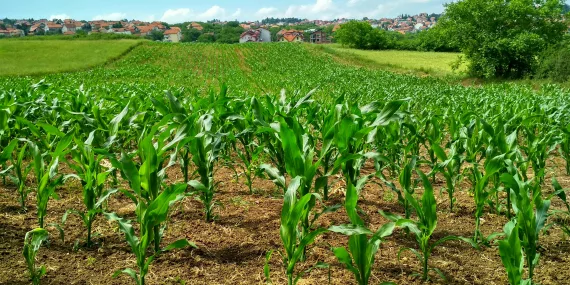
Cornfield in the summertime

Solutions in Precision Agriculture

As climate conditions continue to shift while the global population increases, farmers and food producers everywhere need to continually adapt their methods like never before. Managing and allocating resources to maximize efficiency is crucial, and precise data-driven monitoring is key to accomplishing this. Understanding and overcoming the challenges of farming in the 21st century introduces us to the world of precision agriculture.
What is precision agriculture?
Though definitions can vary, the International Society of Precision Agriculture defines it as “a management strategy that takes account of temporal and spatial variability to improve the sustainability of agricultural production.”
In practice, this generally boils down to a system of agriculture that aims to maximize efficiency in food production while minimizing waste and maintaining a healthy (and ideally self-sustaining) ecosystem. Some experts suggest that precision agriculture draws its roots from the adoption of mechanized processes of food cultivation in the early 20th century, continuing through the Green Revolutions of the 1960’s, when new techniques of controlled irrigation became standard and newly developed high-yield strains of crucial grains were introduced in the form of dwarf wheat and hybrid rice. Today, precision agriculture is driven by technological innovation and careful analysis of continuously changing data in real time.
The use of advanced metrics for managing agricultural production is not just a cost-saving measure used by food producers; it is instead vital to keep up with the ever-increasing demand for nutritious food globally. One frequently cited statistic estimates that “world food production needs to increase by 70% to feed the world population in 2050”, and to produce this food, “it is estimated that 52.8 million gallons of water per second are required”.
Feeding the World’s Present and Future Generations
Raising the world’s net food production is no easy feat, especially when considering delicate environmental considerations. It is now abundantly clear that previous techniques used to maximize food production, like monocropping and concerted animal feeding operations (or CAFOS), are not sustainable in the long term.
This is where the role sensors play in precision agriculture systems come into play. One of the most important and commonly used sensors in agriculture is the soil moisture probe. Soil moisture is a critical factor influencing plant growth, nutrient uptake, and overall crop health, and maintaining the right soil moisture levels is essential for ensuring optimal conditions for plant development. Soil moisture probes can enable farmers to tailor irrigation schedules to the specific needs of each crop and can adjust accordingly. These probes use capacitance or impedance to provide accurate and real-time data about soil moisture levels. To further monitor and manage irrigation systems , pressure sensors are strategically placed within irrigation systems to measure water pressure. This data is then analyzed to determine if adjustments are needed to maintain an optimal water flow rate for different crops.
Of course, natural irrigation must be tracked and accounted for as well. Understanding local precipitation patterns empowers farmers to adapt and optimize their farming practices by gaining insights into rainfall patterns. Rain buckets, also known as rain gauges, operate on a simple yet effective mechanism, consisting of a funnel that directs rainwater to a calibrated container, which is then measured to determine the rainfall intensity. The next level of hydration tracking lies directly at the plant level.
Monitoring leaf wetness is crucial for preventing diseases, as excessive moisture on plant surfaces creates favorable conditions for pathogens to thrive. Early detection and management of these conditions are essential for crop protection. Leaf wetness sensors use conductive or capacitive methods to detect moisture on plant surfaces. These sensors provide real-time information about the duration and intensity of leaf wetness, helping farmers make informed decisions on irrigation and disease control.
All the sensors listed above are just pieces of the overall puzzle of developing and maintaining a precision agriculture operation. Every crop and plot of land may require or benefit from their own specialized monitoring systems, but each of these sensors and the resulting adaptations from the data make up the present and future of precision agriculture, with only new innovations and techniques to come.

Zenseio provides easy to use, long-range telemetry solutions for commercial farms, including remotely monitoring soil moisture, irrigation systems, and weather conditions. Zenseio solutions work with many of the most commonly used agricultural and industrial sensors, with more being made compatabile. To learn more about Precision Ag and how Zenseio makes it a reality, visit: https://zenseio.com/